Most people assume digestive problems start in the stomach.
But for many, the real problem starts higher up — in the nervous system.
Modern life keeps the body under almost constant pressure.
People:
- wake up already stressed
- multitask from the moment they open their eyes
- consume endless digital stimulation
- sleep poorly
- and rarely feel like they “come down” from the day
Over time, the body starts showing signs of overload.
For some, that looks like:
- fatigue
- bloating
- digestive discomfort
- brain fog
- sleep problems
- low energy
- inflammation
- or nervous system exhaustion
This is why recovery-based wellness has become one of the biggest shifts in health.
People are starting to realize:
Health is not just about what you add. It is about whether your body ever gets a chance to recover.
That insight is one reason cold therapy has become popular among people focused on:
- stress management
- recovery
- nervous system regulation
- inflammation support
- and holistic wellness
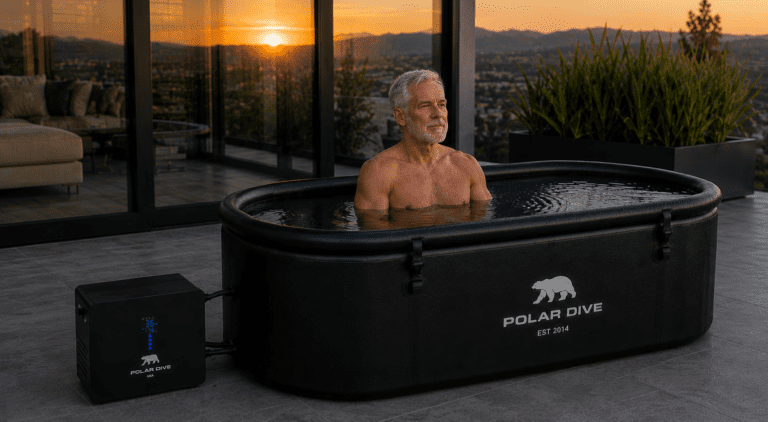
With more affordable systems like Polar Dive, cold therapy is now accessible far beyond elite wellness circles.
Quick View: How Chronic Stress Touches Digestion
| System Under Stress | Possible Effect on Digestion |
| Nervous system | Gut sensitivity, tension, discomfort |
| Sleep | Hormone imbalance, cravings, motility |
| Recovery | Higher baseline stress, poor resilience |
| Inflammation | Discomfort, bloating, general malaise |
| Emotional state | Appetite shifts, nausea, “nervous stomach” |
When stress never lets up, the digestive system often becomes one of the first places the body speaks up.
Why Chronic Stress Impacts the Entire Body
The human body was designed to handle short bursts of stress.
That response helped humans survive danger for generations.
When stress hits:
- cortisol rises
- adrenaline increases
- heart rate changes
- blood flow shifts
- and the nervous system activates
In the short term, this survival response is useful.
The problem today is that stress often does not turn off.
Many people live in a near-constant state of:
- mental stimulation
- information overload
- financial pressure
- emotional stress
- sleep deprivation
- and nervous system fatigue
Over time, chronic stress may influence:
- digestion
- inflammation
- recovery
- sleep quality
- hormone balance
- and emotional well-being
The body simply was not built to live in permanent survival mode.
Why Stress Often Shows Up as Digestive Problems
During stress, the body prioritizes survival over digestion.
When the nervous system stays stuck in “fight-or-flight,” many people experience:
- bloating
- stomach tightness
- appetite changes
- irregular digestion
- nausea
- digestive sensitivity
- or general stomach discomfort
This connection is closely tied to the gut–brain axis, the constant communication between:
- the digestive system
- the nervous system
- hormones
- immune signaling
- and emotional centers in the brain
That means digestion is influenced by much more than food alone.
Factors like:
- sleep quality
- stress levels
- recovery habits
- emotional overload
- and nervous system regulation
may all affect digestive wellness.
The Recovery Deficit Most People Ignore
Modern culture rewards output, not recovery.
People are encouraged to:
- work harder
- sleep less
- stay busy constantly
- and push through exhaustion
Meanwhile, the nervous system becomes more and more overwhelmed.
Recovery is not optional.
Recovery is a biological requirement.
Without it, the body struggles to regulate:
- inflammation
- digestion
- sleep
- energy
- stress responses
- and nervous system balance
That is why more wellness experts are moving from symptom-only approaches to recovery-centered strategies.
They are asking:
- How can we help the body exit stress mode?
- How can we restore true rest and resilience?
Cold therapy is becoming one of the tools people use to answer those questions.
Why Sleep and Digestion Are So Closely Connected
Sleep is one of the body’s most powerful recovery systems.
Poor sleep can contribute to:
- increased stress hormones
- nervous system imbalance
- inflammation
- emotional instability
- and digestive disruption
Many people struggle with:
- overstimulation late at night
- excessive screen exposure
- stress overload
- irregular sleep schedules
- and weak wind-down routines
This creates a loop where:
- stress disrupts sleep
- poor sleep increases stress
- and both can affect digestion
That cycle can be hard to break.
More wellness-focused individuals are now prioritizing habits that support:
- nervous system balance
- deeper sleep
- and genuine recovery
Cold therapy has become part of that conversation as a powerful reset tool for many.

How Cold Exposure May Support Recovery
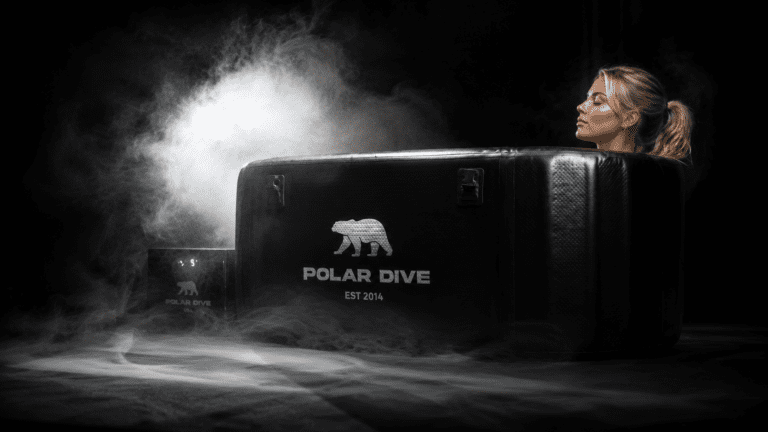
Cold plunges create a powerful but controlled nervous system response.
When you enter cold water:
- breathing changes
- circulation shifts
- stress hormones increase
- and the body becomes highly alert
At first, the cold feels uncomfortable because the body interprets it as stress.
With consistent practice, many people learn to:
- control their breathing
- regulate their stress response
- remain calm under pressure
- and adapt more effectively to discomfort
Many users report that consistent cold exposure helps them feel:
- calmer
- mentally clearer
- more resilient
- and more emotionally grounded
Some also notice improvements in:
- recovery after long days or workouts
- sleep quality
- daytime energy levels
- and overall stress management
All of these systems can indirectly influence digestive wellness by reducing baseline stress and inflammatory load.
See How Polar Dive Fits a Recovery-Focused Wellness Routine
Tired of Feeling Like Your Body Never Really Recovers?
If you’re doing “all the things” but still feel worn down and tense, a simple recovery ritual can make a big difference.
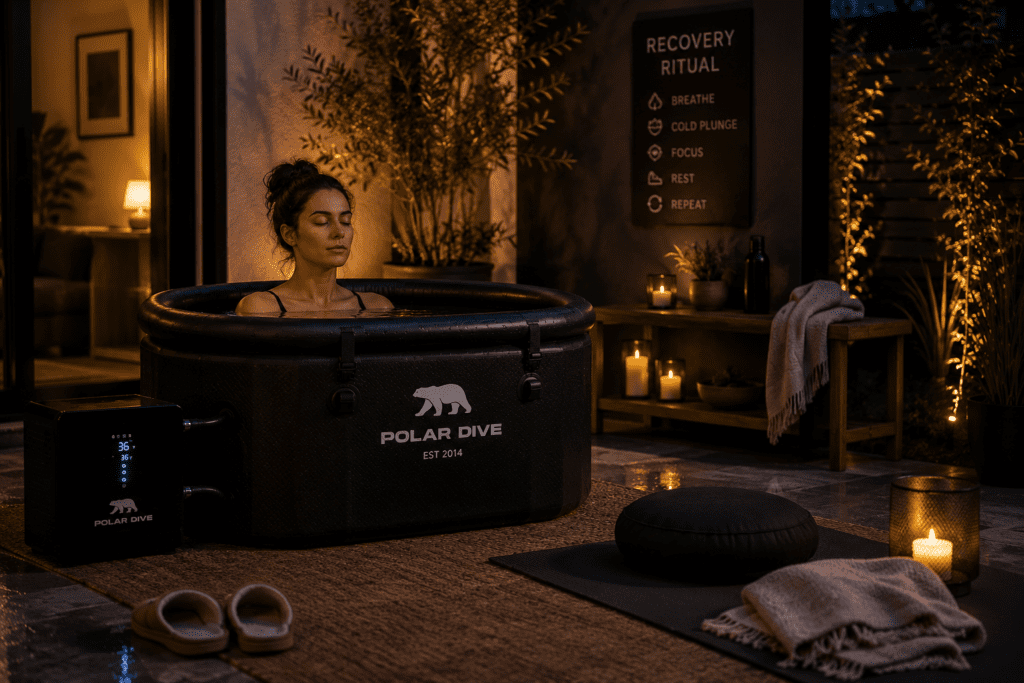
- Cold plunges give you a short, focused way to train stress resilience
- Many people feel more calm and clear after sessions
- An at-home setup turns recovery from a luxury into a sustainable habit
Explore Polar Dive cold plunge systems for stress and recovery support:
Discover Polar Dive as part of your recovery-based wellness routine
Why Inflammation Is Such a Big Topic Today
Inflammation has become one of the central conversations in modern wellness.
The body uses inflammation as part of:
- healing
- defense
- and repair
The issue is chronic low-grade inflammation that never fully resolves.
Many modern habits may increase inflammatory stress, including:
- chronic psychological stress
- sleep deprivation
- sedentary lifestyles
- highly processed foods
- nervous system overload
- and poor recovery
Research on cold exposure suggests it may help reduce certain inflammatory markers and support recovery.
Cold plunges are not magic cures.
But many people are integrating them into broader strategies focused on:
- stress reduction
- resilience
- recovery
- and nervous system support
Why Polar Dive Is Becoming So Popular
In the past, one of the biggest barriers to cold therapy was cost.
Traditional cold plunge systems often cost:
- $5,000
- $10,000
- or more
That made cold therapy unrealistic for most households.
Polar Dive approaches the problem differently.
It focuses on:
- affordability
- simplicity
- practical design
- and reliable cooling performance
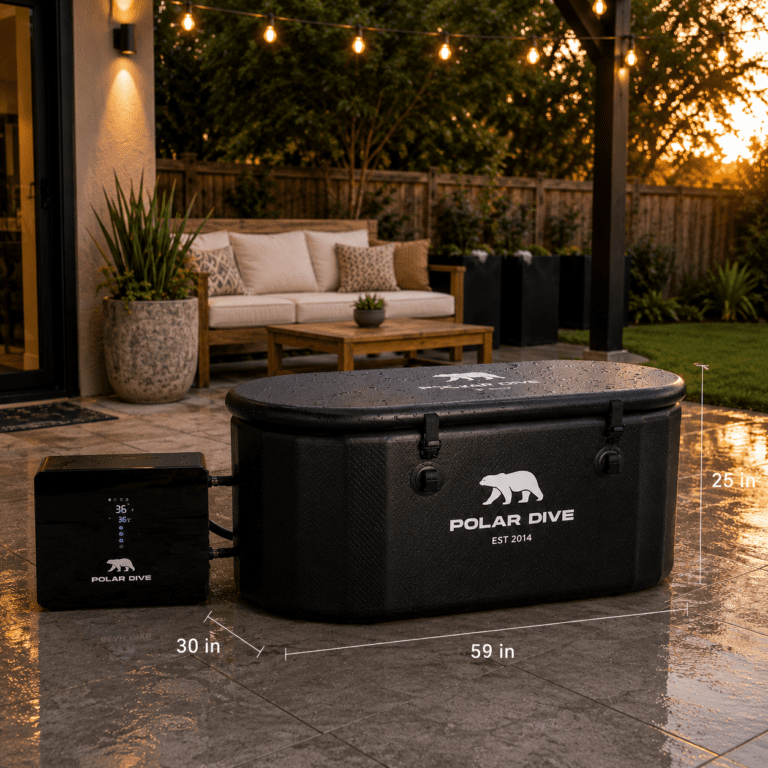
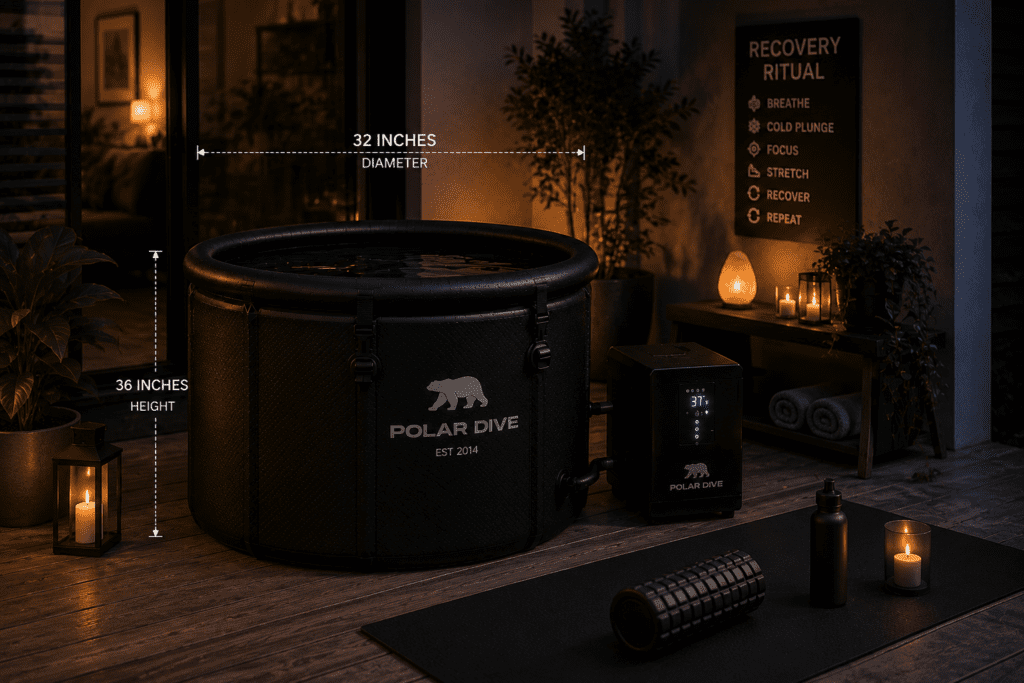
The system:
- chills water down to about 39°F
- works indoors or outdoors
- remains compact
- and is designed to be energy efficient
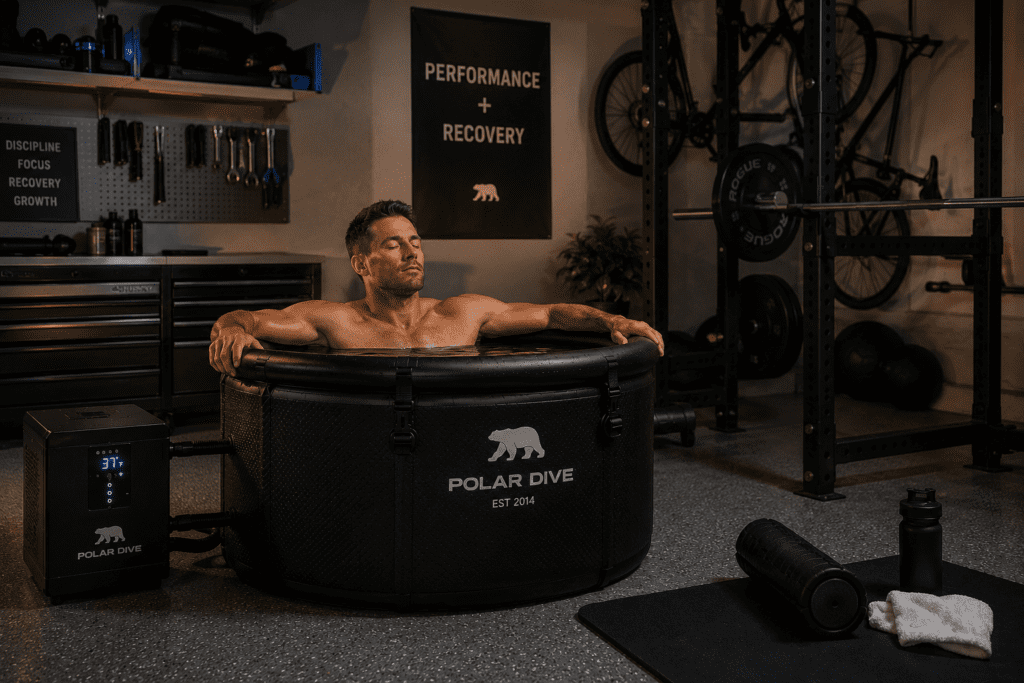
That makes it realistic for:
- home wellness spaces
- garages
- patios
- and home gym recovery setups
Many users also appreciate avoiding the constant need to buy bags of ice.
Wellness Is About Supporting the Whole System
A major shift in wellness is the realization that the body functions as one integrated system.
- Stress affects sleep.
- Sleep affects recovery.
- Recovery affects inflammation.
- Inflammation affects digestion.
- The nervous system influences all of it.
That is why more people are moving toward holistic strategies focused on:
- foundational habits
- recovery
- nervous system regulation
- and sustainable lifestyle changes
Cold therapy fits naturally into this recovery-centered approach.
It is not about perfection or extremes.
It is about giving the body a consistent way to reset.
Who Polar Dive Is Best For
Polar Dive may be especially useful for:
- wellness enthusiasts
- recovery-focused individuals
- busy professionals
- home gym owners
- and people interested in stress management and holistic health
It is particularly appealing for those focused on:
- nervous system support
- recovery
- resilience
- and sustainable, long-term wellness routines
Check Polar Dive availability and current offers
Are Cold Plunges Safe?
Cold plunges are generally well tolerated by healthy individuals when practiced responsibly.
However, anyone with:
- cardiovascular conditions
- uncontrolled hypertension
- serious circulation disorders
- or other significant medical concerns
should consult a healthcare professional before starting cold exposure.
Beginners should:
- start gradually
- avoid excessively long sessions
- be mindful with very low temperatures at first
- and prioritize slow, controlled breathing throughout
Frequently Asked Questions
Can chronic stress affect digestion?
Yes. Chronic stress may influence digestion, appetite, inflammation, nervous system balance, and overall recovery, which can all contribute to digestive symptoms.
Why does stress upset the stomach?
The digestive system is closely connected to the nervous system through the gut–brain axis. When the body is stuck in fight-or-flight, digestion often downshifts and symptoms can appear.
Can recovery improve digestive wellness?
Recovery habits that support sleep, nervous system balance, and stress management may positively influence overall wellness, which can indirectly benefit digestion.
Can cold plunges reduce stress?
Many users report improved resilience and nervous system regulation after consistent cold exposure, in part because they practice staying calm during a brief, controlled stressor.
Is Polar Dive beginner friendly?
Yes. Polar Dive is designed to make cold therapy practical and affordable for everyday users, with compact systems that fit into typical home spaces.
Final Thoughts
Modern life puts enormous pressure on the nervous system.
Many people try to fix health issues by adding more:
- supplements
- stimulants
- and quick fixes
But more and more wellness experts are recognizing something deeper:
The body needs recovery as much as it needs effort.
Without recovery, the nervous system struggles to regulate:
- stress
- inflammation
- digestion
- sleep
- and overall well-being
That is why recovery-based wellness is becoming such an important movement.
Cold therapy is part of that shift because many people find it supports:
- resilience
- stress adaptation
- recovery
- and nervous system balance
With affordable systems like Polar Dive, more people can explore cold therapy without luxury wellness budgets.
Ready to support recovery and stress resilience naturally?
See how an at-home cold plunge can anchor your recovery-focused wellness routine:
Check out Polar Dive cold plunge systems