The intricate connection between trauma, gut health, and nutrition represents an emerging field of study that emphasizes how our mental and physical well-being are intertwined. Both physical and emotional trauma can significantly impact gut function, affecting digestion, nutrient absorption, and overall health. This article examines the relationship between trauma and gut health, and highlights the critical role nutrition plays in recovery and maintaining a healthy digestive system.
Understanding Trauma and Its Effects on the Body
Trauma, especially when chronic or severe, can leave lasting imprints on the body. When trauma occurs, the body activates the hypothalamic-pituitary-adrenal (HPA) axis, which leads to the release of stress hormones like cortisol. While these responses serve an essential purpose for immediate survival, ongoing activation can harm various bodily systems, particularly the gut.
The HPA Axis and Its Role in Gut Health
The HPA axis is central to the body’s stress response. Activation of this axis triggers cortisol and other stress hormones, preparing the body to face threats. However, chronic stress and trauma can disrupt the HPA axis, causing persistently high cortisol levels. This prolonged exposure can negatively affect gut health by altering the gut microbiome, increasing gut permeability, and impairing digestive functions.
The Gut-Brain Axis: A Two-Way Communication System
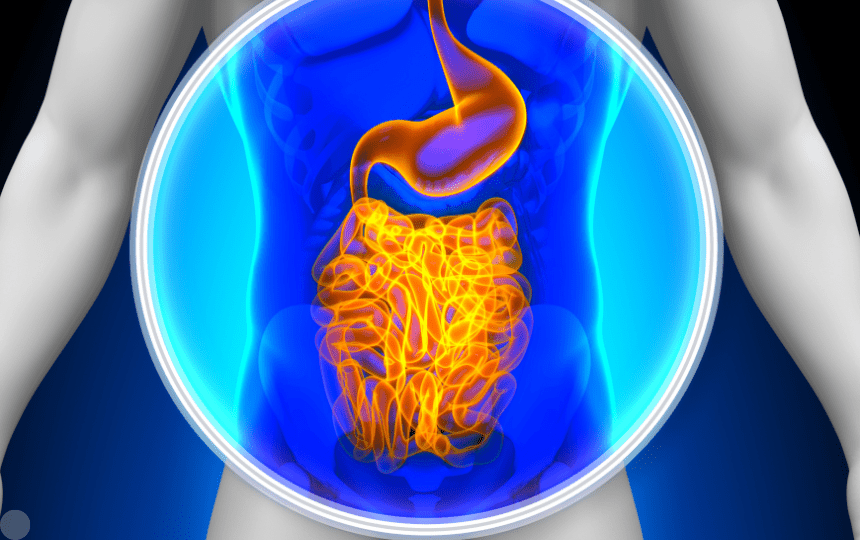
The gut and brain communicate through a complex network known as the gut-brain axis. This two-way communication system involves neural, hormonal, and immune pathways, allowing the gut and brain to influence each other. Trauma can interrupt this communication, resulting in gastrointestinal issues such as irritable bowel syndrome (IBS), inflammatory bowel disease (IBD), and other gut-related disorders.
The Gut Microbiota: Essential Players in Digestive Health
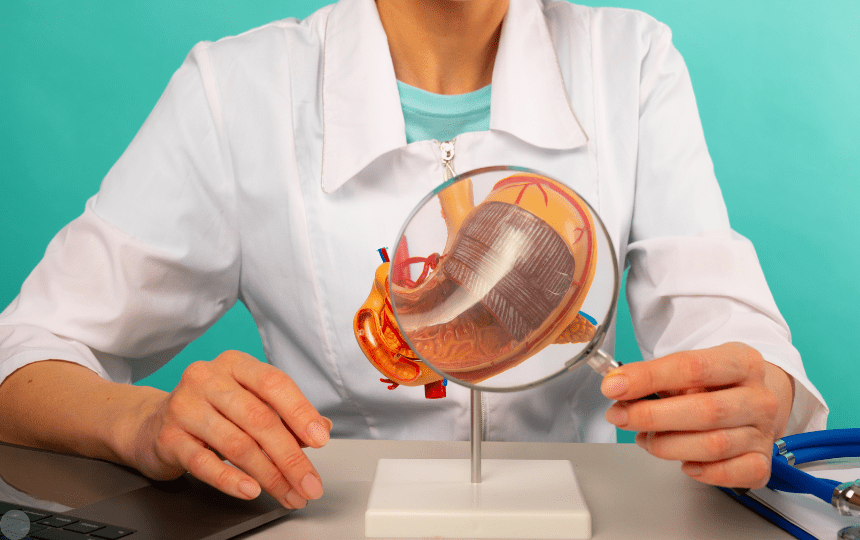
The gut microbiota, comprising a diverse array of microorganisms in the gastrointestinal tract, plays a crucial role in maintaining gut health. These microorganisms aid in digestion, immune regulation, and the synthesis of essential nutrients.
Dysbiosis: The Consequences of Microbiota Imbalance
Trauma and chronic stress can lead to dysbiosis, an imbalance within the gut microbiota. This condition may result in an overgrowth of harmful bacteria and a decline in beneficial bacteria, contributing to gut inflammation and increased intestinal permeability. Often referred to as “leaky gut,” this condition allows toxins and partially digested food particles to enter the bloodstream, triggering immune responses and worsening inflammation.
The Importance of Probiotics and Prebiotics
Probiotics and prebiotics play vital roles in restoring and maintaining a healthy gut microbiota. Probiotics are live beneficial bacteria found in fermented foods or supplements, while prebiotics are non-digestible fibers that nourish these beneficial bacteria. Including probiotics and prebiotics in one’s diet can help rebalance the gut microbiota, reduce inflammation, and improve overall gut health.
Nutrition: A Pathway to Recovery
Proper nutrition is fundamental for supporting gut health and alleviating the effects of trauma on the digestive system. Specific nutrients and dietary patterns can foster gut healing, diminish inflammation, and enhance overall well-being.
Anti-Inflammatory Diet for Gut Health
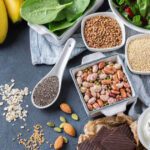
An anti-inflammatory diet rich in fruits, vegetables, whole grains, lean proteins, and healthy fats can significantly reduce gut inflammation and promote recovery. Foods high in antioxidants, such as berries, leafy greens, and nuts, help neutralize free radicals, protecting gut cells from damage. Omega-3 fatty acids, found in fatty fish, flaxseeds, and walnuts, possess strong anti-inflammatory properties that benefit gut health.
The Role of Dietary Fiber
Dietary fiber is essential for maintaining a healthy gut. It promotes regular bowel movements, feeds beneficial gut bacteria, and lowers the risk of gut-related disorders. Soluble fiber, found in oats, beans, and apples, helps regulate blood sugar levels and reduce cholesterol, while insoluble fiber, present in whole grains and vegetables, aids digestion and prevents constipation.
Hydration: A Key Component of Gut Function
Maintaining proper hydration is vital for optimal gut function. Water supports digestion, nutrient absorption, and the elimination of waste products. Staying adequately hydrated can prevent constipation and support the health of the gut lining.
The Psychological Dimension: Mind-Body Connection
Addressing the psychological aspects of trauma is equally important for gut healing. Techniques such as mindfulness, meditation, and cognitive-behavioral therapy (CBT) can help manage stress, mitigate trauma’s impact on the body, and foster gut recovery.
Mindfulness and Meditation Practices
Engaging in mindfulness and meditation can significantly lower stress levels and promote relaxation, positively affecting gut health. These practices encourage a calm state, reducing HPA axis activation, leading to lower cortisol levels and decreased gut inflammation.
Cognitive-Behavioral Therapy (CBT) for Trauma Management
CBT is a well-established therapeutic method that assists individuals in processing and managing trauma effects. By addressing negative thought patterns and behaviors, CBT helps reduce stress and enhance mental well-being, which in turn supports gut health.
The Interconnection of Trauma, Gut Health, and Nutrition
The intricate relationship between trauma, gut health, and nutrition highlights the necessity for a holistic approach to health and wellness. Recognizing how trauma affects the gut and understanding the healing potential of nutrition empowers individuals to take proactive steps toward improving their gut health. By adopting an anti-inflammatory diet, ensuring proper hydration, and addressing the psychological dimensions of trauma, individuals can foster gut healing and improve their overall quality of life.