The gut microbiome, a complex ecosystem of trillions of microorganisms residing in our digestive system, significantly influences our overall health. These microbes play vital roles, from aiding in digestion to modulating our immune responses and even impacting our mental health. Unfortunately, modern lifestyles, characterized by processed foods, high stress levels, and antibiotic use, can disrupt this delicate balance, leading to various health complications. Thankfully, there are natural and effective strategies to improve and maintain a healthy gut microbiome. This article will discuss actionable steps to enhance your gut health naturally.
Understanding the Importance of the Gut Microbiome
To appreciate how to improve gut health, it’s essential to grasp the significance of the gut microbiome. This diverse community includes bacteria, viruses, fungi, and other microorganisms that inhabit the gastrointestinal tract. They perform critical functions such as breaking down food, synthesizing essential vitamins, and regulating immune functions. A well-balanced microbiome correlates with better digestion, enhanced immunity, and improved mental well-being.
Natural Strategies to Enhance Your Gut Microbiome
1. Embrace a Diverse Diet
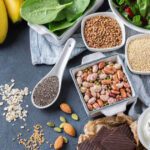
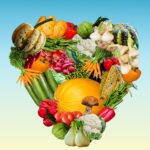
A varied diet rich in fruits, vegetables, whole grains, and legumes provides a broad spectrum of nutrients that support a healthy gut microbiome. Different types of dietary fibers found in plant-based foods serve as prebiotics, nourishing beneficial gut bacteria. Aim to incorporate a colorful array of fruits and vegetables into your meals to optimize nutrient intake and promote microbial diversity.
2. Include Fermented Foods in Your Diet
Fermented foods such as yogurt, kefir, sauerkraut, kimchi, and kombucha are excellent sources of probiotics—live beneficial bacteria that foster a healthy gut microbiome. Regularly consuming these foods introduces beneficial microbes into your digestive system, enhancing microbial diversity and balance. Opt for unpasteurized or homemade varieties to maximize probiotic benefits.
3. Limit Sugar and Processed Food Intake
High-sugar and heavily processed foods can disrupt the balance of gut bacteria, leading to inflammation and other health issues. Excessive sugar intake fuels harmful bacteria, allowing them to flourish at the expense of beneficial microbes. Reducing your consumption of sugary snacks, sodas, and processed foods is vital for maintaining a healthy gut microbiome.

4. Incorporate Prebiotic-Rich Foods
In addition to consuming fermented foods, adding prebiotic-rich items to your diet can encourage the growth of beneficial gut bacteria. Prebiotics are non-digestible fibers that pass through the digestive tract, providing nourishment for probiotics. Foods such as garlic, onions, leeks, bananas, asparagus, and chicory root are excellent sources of prebiotics.
5. Manage Stress Effectively
Stress can adversely affect the gut microbiome by altering its composition and reducing microbial diversity. Chronic stress can lead to increased inflammation in the gut, impacting digestion and overall health. Engage in stress-reducing activities such as meditation, deep breathing exercises, yoga, or spending time outdoors to support a healthy gut microbiome.
6. Prioritize Quality Sleep
Quality sleep is fundamental for overall wellness, including gut health. Poor sleep patterns can disrupt the circadian rhythm, negatively affecting the gut microbiome. Aim for 7-9 hours of uninterrupted sleep each night to support optimal gut function and microbial balance.
7. Stay Hydrated
Proper hydration is vital for maintaining a healthy gut microbiome. Adequate water intake helps flush toxins from the body and supports digestion by keeping stools soft and easy to pass. Aim to drink at least eight glasses of water daily and include hydrating foods like fruits and vegetables in your diet.
8. Engage in Regular Physical Activity
Consistent physical activity positively influences the gut microbiome. Exercise reduces inflammation, enhances digestion, and promotes microbial diversity in the gut. Strive for at least 30 minutes of moderate exercise most days of the week to support gut health.
9. Use Antibiotics Judiciously
While antibiotics are sometimes necessary for treating bacterial infections, their overuse can disrupt the balance of gut bacteria by eliminating both harmful and beneficial microbes. Only use antibiotics when prescribed by a healthcare professional, and adhere to their guidelines carefully.
10. Consider Probiotic Supplements
If obtaining sufficient probiotics from food sources proves challenging, consider high-quality probiotic supplements. Look for products containing a variety of beneficial bacterial strains supported by scientific research. Always consult with a healthcare provider before starting any new supplement regimen.
Maintaining a healthy gut microbiome is essential for overall health and well-being. By implementing simple lifestyle changes—such as adopting a diverse diet, incorporating fermented foods, managing stress, and ensuring adequate sleep—you can cultivate a thriving microbial community in your gut. Consistency is vital, and small, gradual changes can lead to significant improvements in gut health. Prioritizing your gut microbiome not only enhances digestion but also fortifies immunity, uplifts mood, and promotes overall vitality.