Build a Better Gut: Tips for Improving Your Gut Health Naturally
The foundation of overall well-being starts within – your gut. In order to build a better gut, you must prioritize its health through mindful choices and habits. A balanced and thriving gut can positively impact digestion, immunity, and even mental health. Let’s delve into some effective strategies to optimize your gut health and achieve a happier, healthier you.
Understanding the Gut Microbiome
Your gut microbiome, composed of trillions of microorganisms, is a dynamic community that significantly influences your health. It aids in breaking down food, absorbing nutrients, and producing essential compounds like short-chain fatty acids. These compounds play a vital role in maintaining gut lining integrity, regulating inflammation, and supporting overall well-being.
The diversity of your gut bacteria is key. A rich variety of bacterial species ensures resilience against disturbances and enhances metabolic capabilities. Additionally, certain bacteria produce vitamins such as B vitamins and vitamin K, contributing to your nutritional status.
The Gut-Brain Connection: Nurturing Your Second Brain
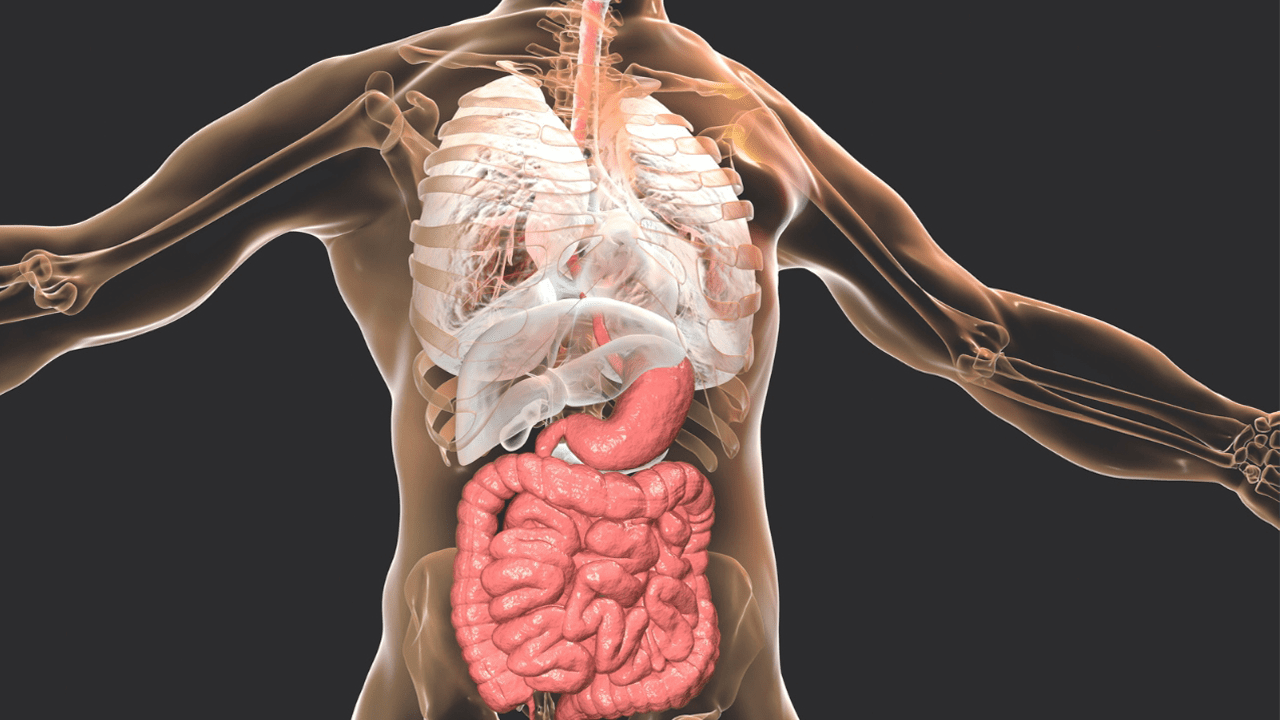
The gut-brain connection is a sophisticated network that allows bidirectional communication between the gut and the brain. This connection is facilitated by the vagus nerve and a vast array of chemical messengers. It highlights the influence of gut health on mood, stress response, and cognitive function.
Serotonin, often referred to as the “happy hormone,” is largely produced in the gut. A healthy gut microbiome is crucial for maintaining optimal serotonin levels, which can impact mood regulation and mental well-being. Thus, nurturing this connection through relaxation techniques, mindfulness, and adequate sleep can lead to a more balanced and resilient mind.
Nourishing Your Microbiome with Smart Dietary Choices
The foods you choose have a profound impact on the composition and diversity of your gut microbiome. Dietary fiber, found abundantly in whole grains, fruits, vegetables, and legumes, serves as a prime source of nutrition for beneficial gut bacteria. These bacteria ferment fiber, producing short-chain fatty acids that help maintain gut health.
Fermented foods like yogurt, kefir, kimchi, and sauerkraut contain live cultures of beneficial bacteria. Consuming these foods introduces probiotics into your gut, promoting a healthy balance of microorganisms. Moreover, polyphenol-rich foods, such as berries, tea, and dark chocolate, have been shown to support the growth of beneficial gut bacteria.
Balancing Act: Avoiding Gut Health Threats
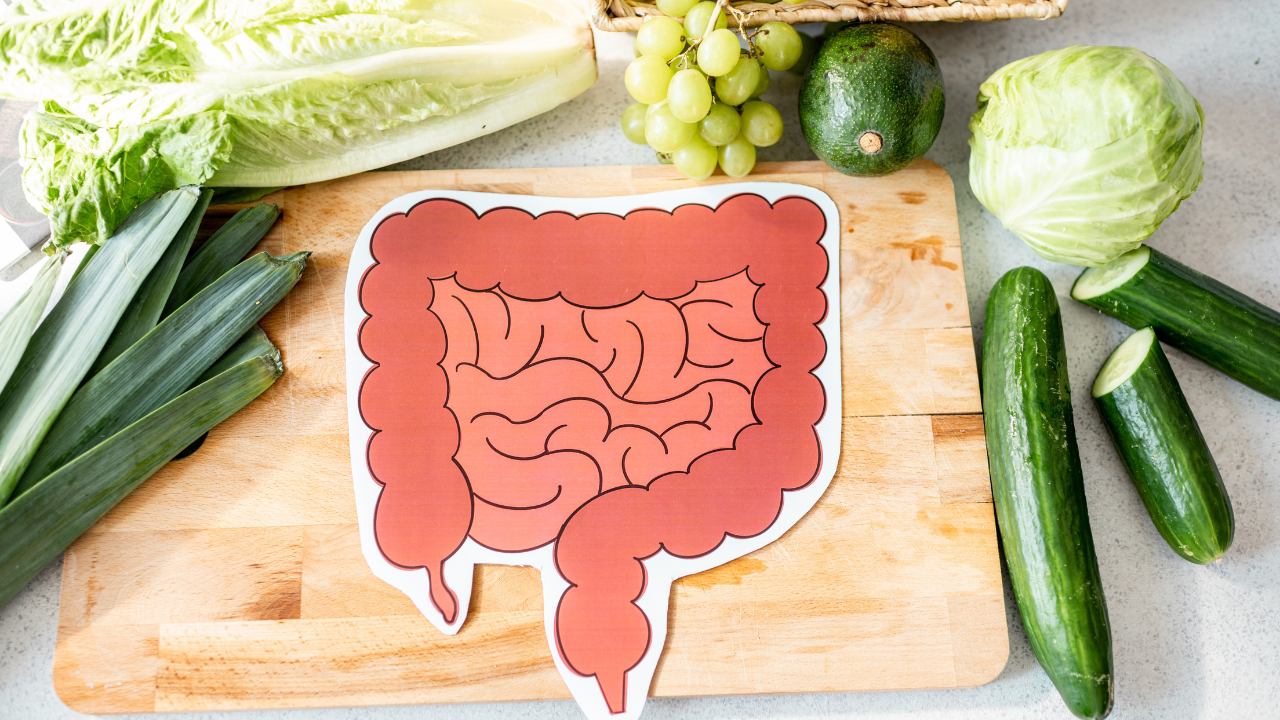
Certain dietary and lifestyle factors can disrupt your gut health. Diets high in added sugars and saturated fats can promote the growth of harmful bacteria, potentially leading to inflammation and digestive discomfort. Excessive alcohol consumption may also negatively impact gut bacteria balance. It is vital that you understand and implement strategies that help you build a better gut. Once you realize how important this is and get started making the necessary changes the faster you will be on your way to better overall health.
Antibiotics, while important for treating infections, can have unintended consequences on gut health. Prolonged or frequent antibiotic use can disturb the equilibrium of your microbiome. When antibiotics are necessary, consider taking probiotics to help restore microbial balance.
Moving Toward a Healthier You: Lifestyle and Gut Health
Physical activity isn’t just beneficial for your muscles and heart—it also supports gut health. Exercise increases blood flow to the digestive tract, aiding in nutrient absorption and promoting a healthy gut lining. Engaging in regular physical activity has been linked to a more diverse gut microbiome and a reduced risk of gastrointestinal disorders.
Quality sleep is another cornerstone of gut health. During sleep, your body undergoes essential repair processes, including gut tissue regeneration and immune system modulation. Poor sleep patterns or insufficient sleep can disrupt the delicate balance of your microbiome and contribute to gut-related issues.

Key Takeaways:
- Prioritize gut health as a cornerstone of overall well-being.
- Consume a variety of dietary fibers from whole grains, fruits, and vegetables to nourish beneficial gut bacteria.
- Support the gut-brain connection through stress reduction techniques and mindfulness practices.
- Limit processed foods, added sugars, and saturated fats to protect your gut from potential harm.
- Engage in regular physical activity and prioritize sufficient sleep to maintain a thriving gut.
Frequently Asked Questions (FAQs):
1. How does the gut microbiome affect overall health? The gut microbiome influences digestion, nutrient absorption, immune function, and even mental health. A balanced microbiome is crucial for maintaining good health.
2. What foods should I include in my diet to improve gut health? To build a better gut, focus on whole grains, fruits, vegetables, and probiotic-rich foods. Incorporate a diverse range of nutrient-dense options to support a thriving microbiome.
3. Can stress impact gut health? Yes, chronic stress can negatively impact gut health through the gut-brain connection. Stress management practices can help maintain a healthy balance of gut bacteria.
4. How can I avoid harming my gut health? Minimize consumption of processed foods high in sugars and unhealthy fats. Use antibiotics judiciously and under medical supervision to prevent disruption of the microbiome.
5. Are there supplements that support gut health? Probiotic and prebiotic supplements can be beneficial for some individuals. However, it’s best to consult with a healthcare professional before adding supplements to your routine.
6. Can certain medical conditions affect gut health? Yes, conditions like irritable bowel syndrome (IBS), inflammatory bowel disease (IBD), and celiac disease can impact gut health. Working with a healthcare provider can help manage these conditions effectively.
7. How can I make sustainable changes for better gut health? Start by making gradual dietary and lifestyle changes. Focus on consistency rather than quick fixes, and seek guidance from healthcare professionals or registered dietitians for personalized advice.
In conclusion, building a better gut is a multifaceted journey that encompasses dietary choices, lifestyle adjustments, and an understanding of the intricate gut-brain connection. By prioritizing your gut health and implementing these strategies, you’re not only fostering improved digestion and immunity but also laying the foundation for enhanced overall well-being. Remember, the path to a healthier gut is a continual commitment that yields lasting rewards for your health and vitality.