For years, digestive health was treated like a simple math problem.
If you had:
- stomach discomfort
- bloating
- digestive irregularity
- or gut-related symptoms
the assumption was that the issue must be only about food.
But modern research and real-world experience keep revealing something much bigger:
The gut and brain are deeply connected.
Your digestive system does not operate independently from your:
- stress levels
- emotional state
- nervous system
- sleep quality
- recovery habits
- or mental health
In many cases, the gut is responding to what the nervous system is going through.
That is why digestive wellness conversations are expanding beyond:
- diets
- supplements
- and probiotics
People are now looking closely at:
- stress regulation
- nervous system balance
- recovery routines
- inflammation
- and daily lifestyle patterns
Cold therapy is becoming part of this broader conversation.
Not because cold plunges are a miracle gut fix, but because cold exposure may help support systems that are upstream of gut health, including:
- stress adaptation
- nervous system regulation
- recovery
- circulation
- and inflammation management
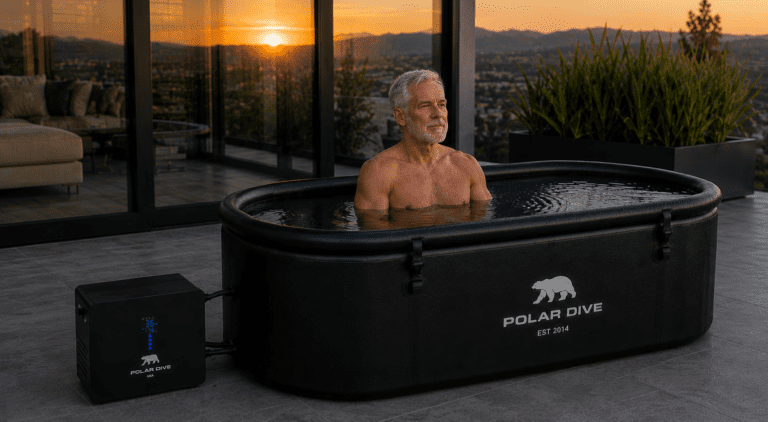
More people interested in holistic digestive wellness are exploring cold therapy systems like Polar Dive as one tool in a bigger plan.
Quick Snapshot: How the Gut and Brain Interact
| System Piece | How It Relates to Digestion |
| Brain & emotions | Stress and mood can change gut motility and sensitivity |
| Autonomic nervous system | Fight-or-flight can downshift digestion |
| Vagus nerve | Sends “rest-and-digest” signals to the gut |
| Immune system | Inflammation can affect gut comfort and function |
| Recovery habits | Help the body leave stress states more easily |
When you support the nervous system, you are often supporting your gut indirectly, even if diet stays the same.
What Is the Gut-Brain Connection?
The gut–brain connection is the constantly active communication system linking:
- the digestive tract
- the nervous system
- the brain
- hormones
- and immune activity
Signals move both ways:
- The brain influences digestion.
- The gut influences mood, stress signaling, and even how you perceive the world.
That is why emotional stress can quickly turn into physical digestive symptoms.
Many people notice their gut acts up more during:
- anxiety
- overwhelm
- sleep deprivation
- emotional stress
- burnout
- or long periods of pressure
Those reactions are not “all in your head.”
They are part of how interconnected the nervous system and digestive system really are.
Why Stress Often Shows Up in the Gut
When the body perceives stress, it flips into survival mode.
This is the classic “fight-or-flight” response.
During stress states:
- stress hormones rise
- blood flow shifts away from digestion
- heart rate increases
- and the body prioritizes short-term survival
In that moment, optimal digestion is not the priority.
This response makes sense during short bursts of danger.
The problem today is that modern stress rarely switches off.
Many people live in a low-grade stress bath from:
- notifications and constant pings
- work and financial pressure
- poor or irregular sleep
- overstimulation and screen time
- and ongoing mental exhaustion
Over time, chronic stress can influence:
- digestion
- appetite patterns
- gut sensitivity
- inflammation
- sleep quality
- and overall recovery
That is why so many holistic practitioners now put nervous system regulation at the center of digestive wellness programs.
Why Recovery Matters More Than Most People Realize
Modern culture celebrates constant productivity.
People are encouraged to:
- push harder
- sleep less
- rely on more caffeine
- multitask all day
- and ignore the need for true recovery
But the human body was never designed to live in permanent stress mode.
Without recovery, many people begin experiencing:
- fatigue and brain fog
- digestive discomfort
- poor or fragmented sleep
- chronic tension
- mood swings
- and nervous system exhaustion
Recovery is not weakness.
Recovery is biology.
This is why modern wellness conversations are shifting toward:
- nervous system balance
- stress adaptation
- recovery habits
- and resilience training
Cold exposure has become one of the tools people use to train those systems.
How Cold Exposure Affects the Nervous System
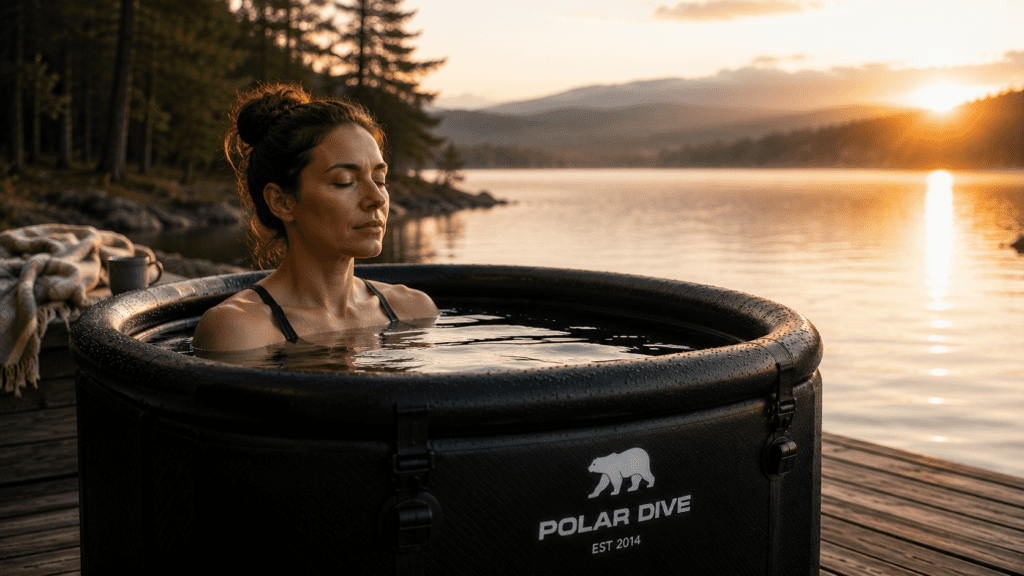
Cold plunges create an immediate, powerful nervous system response.
When you enter cold water:
- breathing changes
- stress hormones increase
- circulation shifts
- and the nervous system activates rapidly
Initially, the body reads cold exposure as stress.
But with consistent practice, many people learn to:
- slow their breathing
- remain mentally calmer
- and regulate discomfort instead of panicking
This adaptation process can help support greater nervous system resilience.
Users often describe feeling:
- calmer
- mentally clearer
- emotionally grounded
- and more resilient after their plunges
Those nervous system shifts are one reason cold therapy keeps gaining attention in:
- wellness
- recovery
- performance
- and holistic health communities
See How Polar Dive Helps You Train the Nervous System
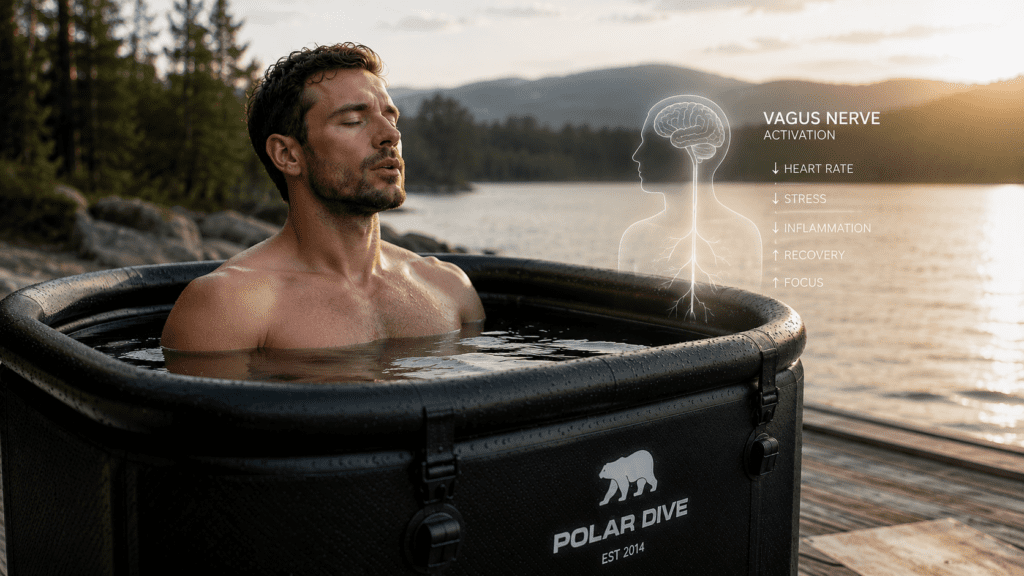
The Vagus Nerve and the Relaxation Response
The vagus nerve is a key player in the gut–brain story.
It plays a major role in:
- nervous system regulation
- relaxation and “rest-and-digest” signaling
- digestion and gut motility
- heart rate regulation
- and recovery processes
When people stay stuck in chronic stress states, the body often struggles to fully switch into true rest-and-digest mode.
Digestion generally works best when the body feels safe and regulated.
That is why practices that help you shift out of fight-or-flight can indirectly support gut health.
Many people combine:
- breathwork
- cold exposure
- mindfulness practices
- movement
- and realistic recovery habits
to give their nervous system more chances to reset.
Working on Your Gut but Still Feel Stressed and Wired?
If you have already tried changing your diet but your nervous system still feels “stuck on high alert,” adding a recovery habit can support your gut from another angle.
- Cold plunges create a powerful but controllable stress you can practice relaxing through
- Many people feel calmer and more grounded afterward
- An at-home plunge makes nervous system training part of daily life, not a once-a-year retreat
Explore Polar Dive cold plunge systems as part of a gut–brain wellness routine:
Discover Polar Dive for gut-brain and stress support »
Why Inflammation Matters in Digestive Wellness
Inflammation is another major piece of the gut-health puzzle.
Inflammation itself is part of the body’s defense and repair system.
The issue is chronic low-grade inflammation that never gets a chance to fully resolve.
Lifestyle factors that can increase inflammatory stress include:
- chronic psychological stress
- poor or irregular sleep
- highly processed foods
- sedentary living
- overtraining without recovery
- and constant nervous system overload
Research on cold exposure suggests that it may help support recovery and reduce certain inflammatory markers in some contexts.
Cold plunges do not “heal the gut,” but many people are exploring them because they may help with:
- stress adaptation
- recovery support
- and inflammation regulation
which all sit upstream of how the gut feels and functions day-to-day.
Recovery and Gut Health” and “Inflammation and Wellness.
Why Polar Dive Is Getting Attention
For a long time, cold plunges felt out of reach.
Traditional systems often cost:
- $5,000
- $10,000
- or more
That price made consistent cold therapy unrealistic for most households.
Polar Dive approaches this differently.
It focuses on:
- affordability
- simplicity
- effective cooling
- and practical design
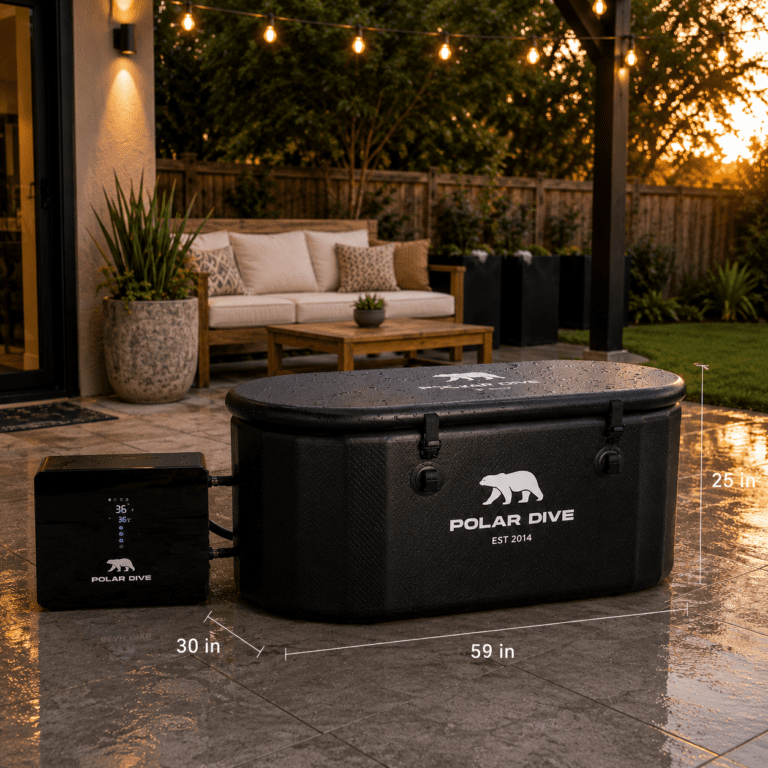
The system:
- cools water down to about 39°F
- works indoors or outdoors
- remains compact
- and is designed to be energy efficient
This makes cold therapy far more accessible for:
- wellness beginners
- recovery-focused individuals
- home gym owners
- and people building holistic health routines at home
Many users also love avoiding the constant expense and hassle of buying ice bags.
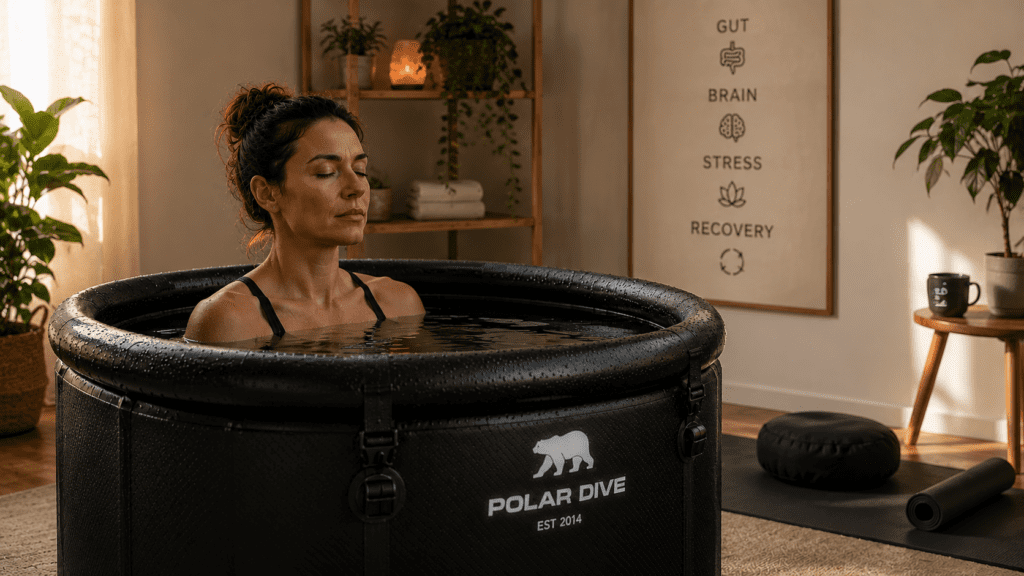
Gut Health Is About the Whole System
One of the biggest mistakes in modern wellness is treating the body as a collection of separate parts.
In reality, the body works as one integrated system.
- Stress affects digestion.
- Sleep affects inflammation.
- Recovery affects nervous system balance.
- Mental and emotional health affect physical health.
That is why holistic wellness approaches continue to grow.
People are starting to understand that better health often means supporting the entire system:
- physically
- mentally
- emotionally
- and neurologically
Cold therapy is becoming one element of that broader, recovery-focused lifestyle.
Who Polar Dive Is Best For
Polar Dive may be especially useful for:
- wellness enthusiasts
- recovery-focused individuals
- biohackers
- busy professionals
- and people interested in holistic digestive wellness
It is particularly appealing for those who care about:
- stress management
- nervous system support
- recovery
- and sustainable, long-term wellness routines
Check Polar Dive availability and current offers
Are Cold Plunges Safe?
Cold plunges are generally well tolerated by healthy individuals when practiced responsibly.
However, people with:
- cardiovascular conditions
- uncontrolled hypertension
- serious circulation disorders
- or significant medical concerns
should consult a healthcare professional before starting cold exposure.
Beginners should:
- start slowly
- keep sessions short at first
- avoid extremes in temperature and duration
- and prioritize slow, controlled breathing throughout the experience
Frequently Asked Questions
What is the gut–brain connection?
The gut–brain connection is the communication network linking digestion, the nervous system, hormones, the brain, and immune activity. Changes in one side can influence the other.
Can stress affect digestion?
Yes. Chronic stress may influence digestion, appetite, gut sensitivity, inflammation, and recovery, which is why digestive symptoms often flare during stressful periods.
What role does the vagus nerve play?
The vagus nerve helps regulate relaxation, digestion, recovery, heart rate, and overall nervous system balance, making it a key part of the “rest-and-digest” response.
Why do people feel calm after cold plunges?
Many people report feeling calmer and more resilient after consistent cold exposure because they practice controlling their breathing and emotional response during a brief, controlled stress.
Is Polar Dive beginner friendly?
Yes. Polar Dive is designed to make cold therapy affordable and practical for everyday users, with compact systems suited to typical home spaces.
Working on Your Gut but Still Feel Stressed and Wired?
If you have already tried changing your diet but your nervous system still feels “stuck on high alert,” adding a recovery habit can support your gut from another angle.
- Cold plunges create a powerful but controllable stress you can practice relaxing through
- Many people feel calmer and more grounded afterward
- An at-home plunge makes nervous system training part of daily life, not a once-a-year retreat
Explore Polar Dive cold plunge systems as part of a gut–brain wellness routine:
Discover Polar Dive for gut-brain and stress support
Final Thoughts
Digestive wellness is about far more than what you eat.
Your body functions through constant communication between:
- the brain
- the nervous system
- the digestive system
- immune activity
- the stress response
- and recovery systems
That is why modern wellness conversations are expanding beyond supplements and restrictive diets.
More people are focusing on:
- recovery
- stress regulation
- nervous system balance
- and sustainable daily habits
Cold therapy is becoming part of that movement because many people find it supports:
- resilience
- recovery
- emotional regulation
- and overall well-being
With affordable systems like Polar Dive, cold therapy is now accessible to normal households building gut–brain-friendly routines at home.
Ready to support your gut by supporting your nervous system?
See how an at-home cold plunge can fit into your gut–brain wellness plan:
Check out Polar Dive cold plunge systems